Signed in as:
filler@godaddy.com
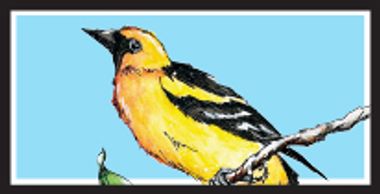
Altamira Oriole have very long hanging basket nests. They can reach up to 65 cm (26 inches) long, hanging from the tip of a branch and act as suspended pouches to hold the eggs. The high up nests in trees also helps to protect them from ground-dwelling predators.
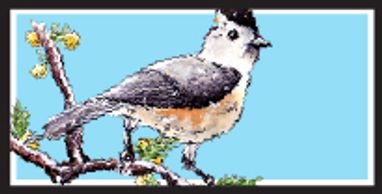
Tufted and Black-crested Titmice are closely related, but they sound different. Black-crested’s calls are more nasal than Tufted’s, and its song is typically higher in pitch and faster. Studies have found that Black-crested Titmice often sing a single-syllabled peer in the main song, while Tufted Titmice more often sing a two-syllabled peter.

Indigo buntings are nocturnal migrators, which means they fly at night, using the stars to guide them. They are also unique in that their blue color comes from the structure of their feathers and not pigment.
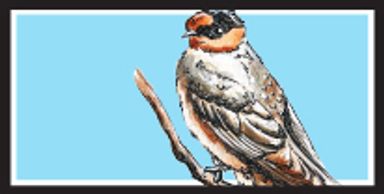
Cave swallows build unique, open cup-shaped mud nests that can be used for multiple years. They are active insectivores that catch prey in flight, often seen in large flocks, and are known to use both natural caves and human-made structures like culverts for nesting.

The clay-colored thrush is famous as Costa Rica's national bird, known for its beautiful, melodious song that many believe signals the arrival of the rainy season. It lives in diverse environments, including tropical dry forests, rainforests, forest edges, and even gardens and parks.
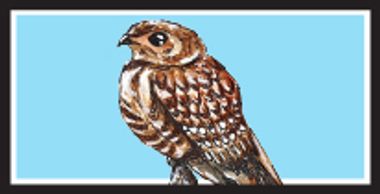
The Common Pauraque’s subtle plumage provides excellent camouflage, helping it to be almost invisible in its daytime with sleeping spots on open ground. From dusk till dawn, the male’s songs range from rising whistles to grunts that sound like frogs.

Couch's Kingbirds are aggressive, insect-eating birds named after the U.S. naturalist Darius Nash Couch who first collected them. They are known for their characteristic burry "kip-kip-breeeer" calls and defend their territories vigorously, even attacking large birds of prey. Their "take-charge" attitude led to the "kingbird" name.
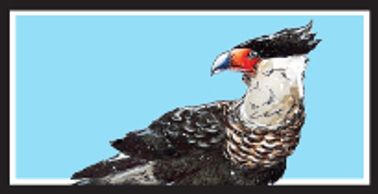
Crested Caracaras are unique falcons known for their terrestrial hunting style, long legs, and opportunistic diet, which includes live prey and carrion. They build their own nests, a behavior not seen in other falcons, and are the only falcon species that collects materials to do so.
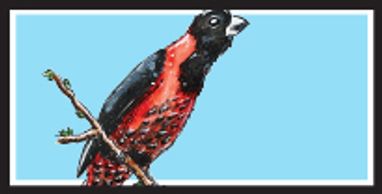
The Crimson-Collared Grosbeak has a black face and throat, a striking red "collar" on the nape and belly, and a large, thick bill for cracking seeds. Females however are primarily olive-green but share the black head and throat of the male.
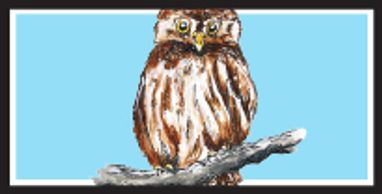
The Ferruginous Pygmy Owl is a small, fierce raptor known for its daytime activity, formidable talons, and unique plumage. They do not build nests, instead using tree cavities, and are capable predators, preying on creatures larger than themselves.
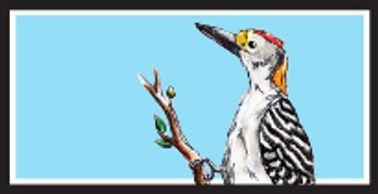
Golden-Fronted Woodpeckers are not shy, often visit human areas, and are known to store food in hidden caches. Both male and female golden-fronts are territorial, and they create their own nesting cavities in trees.
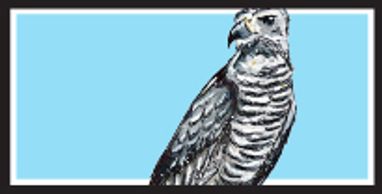
Gray Hawks are excellent lizard catchers. Their diet consists mainly of whiptail, spiny, and other tree-dwelling lizards, but they also hunt small birds, mammals, and amphibians. Previously names included the "Mexican Goshawk".

The Great Kiskadee's name comes from its loud, three-syllable call. They hunt by flying out from a perch to catch insects in midair, but they also dive into water to catch fish, a rare behavior for a passerine bird. They are also fearless defenders of their territory, aggressively chasing off predators like snakes, monkeys, and raptors.
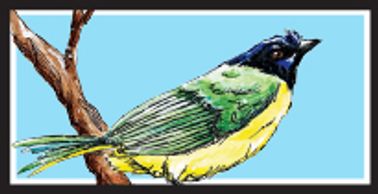
Green Jays are known for using tools, like sticks, to find insects under bark, and for their complex vocal abilities, which include mimicking other birds to scare rivals away from food. They live in family flocks, are omnivorous, and have distinct northern and southern populations.

Green Kingfishers build 2–3-foot-long nest burrows in river banks, which they and their mates excavate. They hunt small fish, crustaceans, and insects by perching low over clear, slow-moving streams and diving rapidly for prey, then subduing it with a quick blow against a perch before swallowing.
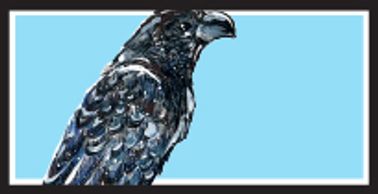
Groove-billed Anis are black cuckoo-family birds with long tails and uniquely grooved bills. They are social and live in groups, sharing a single communal nest where multiple females lay their eggs and all members help care for the young.
Long-Billed Thrashers are known for their "thrashing" behavior of tossing leaves to find insects, their long, curved bill, and their elaborate songs often sung from visible perches. These permanent residents are fierce nest defenders, and their flights are typically short and low to the ground.
Yellow warblers are famous for their ability to detect and thwart brood parasitism by cowbirds. If a cowbird lays eggs in their nest, a warbler may build a new nest floor on top of the unwanted eggs and lay their own eggs on the new foundation.
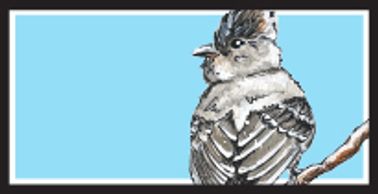
The name "Tyrannulet" is a diminutive of "tyrant," referring to the species' aggressive behavior in chasing small predators away from its nest. It lacks the bristly "beard" at the base of its bill that helps many flycatchers catch insects in the air. Instead, it often uses gleaning or picking slow-moving insects from foliage rather than sallying out to catch flying prey.
The Olive Sparrow is a permanent resident and sedentary bird, not undertaking long-distance migrations. While secretive, the Olive Sparrow's population is considered stable and spends most of life hidden in the dense brush of the Tamaulipan Biotic Province, which includes South Texas, making it more often heard than seen.
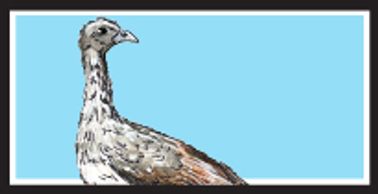
Plain Chachalacas are known to call loudly when a storm is approaching, serving as a natural indicator of changes in the weather. Often called "tropical chickens" or "tropical fowl," these birds are known for their distinctive, loud chorus that can be heard year-round.
A Pyrrhuloxia is sometimes called a Desert Cardinal due to its resemblance to the Northern Cardinal but with a large, crooked, yellow bill and a distinctive red-tipped crest. Its name comes from Greek words describing its fiery red coloration and its crooked bill. These birds are found in the American Southwest, where their diet of seeds, fruits, and insects provides most of their water.
A Red-crowned Parrot is the official mascot of Brownsville, Texas, a non-native population established from escaped pets, though it is considered Endangered in its native Mexico due to habitat loss and the pet trade. They mate for life, forming monogamous bonds and returning to the same nest cavity each year.
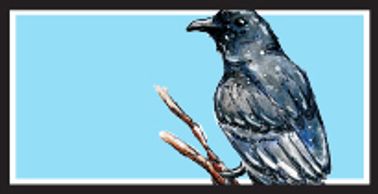
After a period of being a fairly regular winter visitor to the Brownsville area, the Tamaulipas Crow became very rare, with no confirmed sightings in the U.S. for over a decade until a few surprising sightings were reported in late 2017. It has a unique call, a series of low, nasal, froglike croaks and rapid clicking sounds.

You'll also be first to know about new blog posts, collaborations, merchandise, freebies and more!